Luxury Vinyl Plank Installation in New Hartford, CT

A Smart, Durable Option for Basements & Busy Homes

Luxury Vinyl Plank — or LVP — is one of the most practical flooring choices today. It looks clean, handles moisture better than hardwood, and works great in spaces where you want durability without the price tag of real wood.
At Dynamic Floor Covering, we install LVP the right way — and we won’t install cheap material that’s going to fail early.

Request An Estimate

Fill out the form below and we will call you back to talk about your project.

* indicates required fields

What LVP Is (And Why People Like It)

LVP is a plank-style flooring designed to resemble hardwood, but it’s made to be:
For many homeowners, it’s the perfect solution for basements, rentals, or high-traffic areas.

Where LVP Works Best

LVP is especially popular in:
If you’re choosing between hardwood and LVP, we’ll help you decide based on the space — not just appearance.
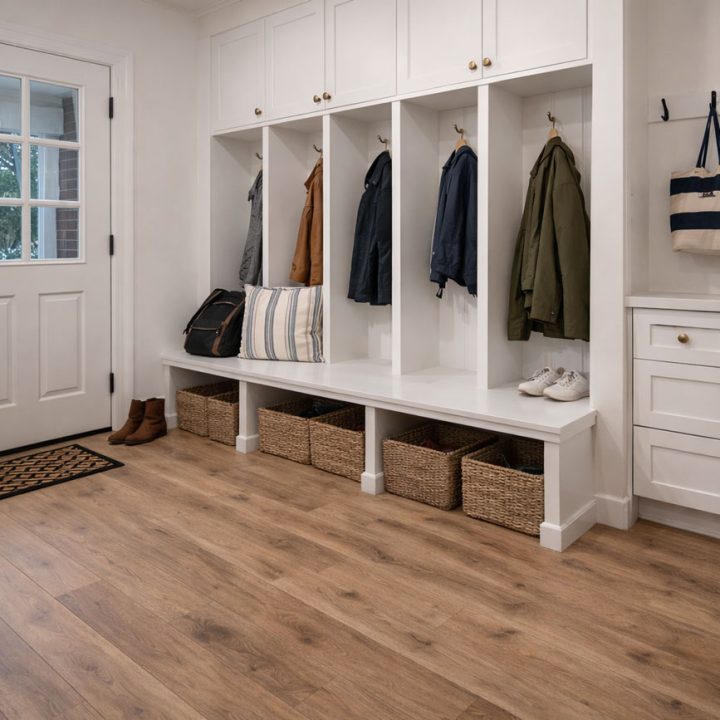
Durable light oak LVP flooring in a clean, organized mudroom with white lockers, bench seating, woven baskets, coat hooks, and a patterned entry mat—showcasing practicality and seamless transition from outdoors.

LVP Quality Matters

Here’s What We Recommend

One of the biggest problems with vinyl is that the market is flooded with cheap options. That’s why we set standards.
We typically recommend 12 mil wear layer or higher. Anything below that is often where you start seeing breakdown, wear, and issues earlier than homeowners expect.
And we’ll be straight with you:
If you want the cheapest vinyl on the shelf, we won’t install it.
Our name is on the work, and we’re not here to build problems into your home.

How Long Does LVP Last?

In most real-world homes, LVP generally lands in the 10–15 year range, depending on product quality and traffic. Higher-quality products can push longer — but it’s not meant to be a “forever floor” like hardwood.
That’s not a bad thing — it’s just the honest difference between the two materials.
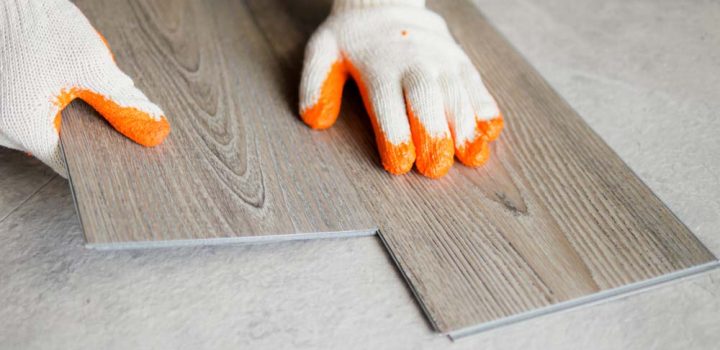
Installer wearing white-and-orange work gloves carefully aligning two gray wood-grain luxury vinyl planks on a concrete subfloor; emphasizes precision, ease of click-lock installation, and realistic texture.

LVP Installation Services We Offer

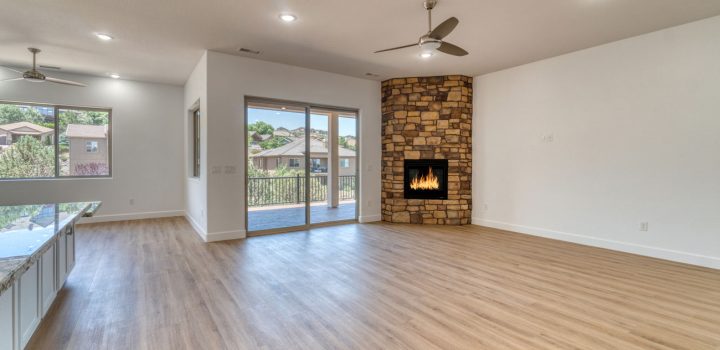
Spacious, newly finished living area featuring light gray-washed luxury vinyl plank flooring, white walls, recessed lighting, stone-clad fireplace with gas insert, and sliding glass doors to an outdoor patio.

Luxury Vinyl Plank Installation

We install LVP with proper spacing, locking systems, and layout so the floor looks natural and performs as intended.
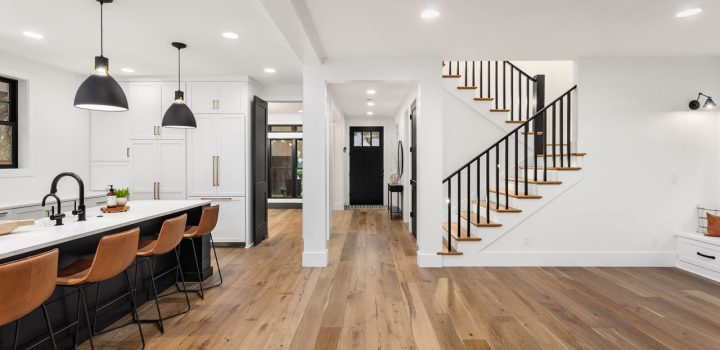
Contemporary open-concept kitchen and entryway featuring wide-plank light oak hardwood, white cabinetry, black island and pendant lights, and a sleek black-and-wood staircase—showcasing seamless flow and design cohesion.

Basement Flooring Solutions

For moisture-prone spaces, we install LVP designed to handle real-life conditions without warping or failure.
Freshly finished natural oak hardwood flooring spanning a bright living space with white sofa, neutral walls, and open sightline into a modern kitchen—highlighting smooth transitions and cohesive design.

Subfloor Preparation & Leveling

A quality LVP floor depends on what’s underneath, and we make sure the surface is flat and properly prepared before installation.
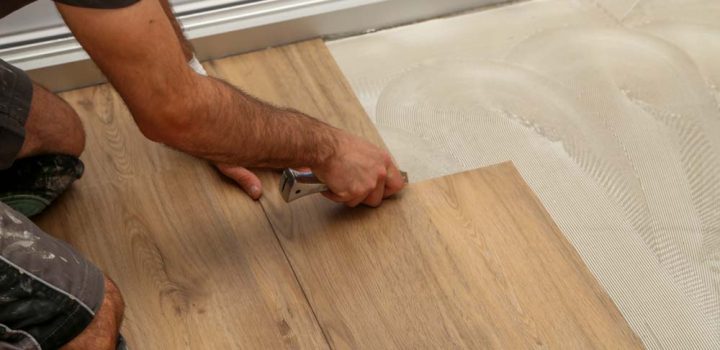
Installer cutting and fitting a wood-look LVP plank over freshly spread self-leveling compound; trowel marks visible on subfloor—demonstrating proper substrate prep for floating-floor installations.

Old Flooring Removal

When required, we remove existing flooring and dispose of it so the new installation starts with a clean slate.
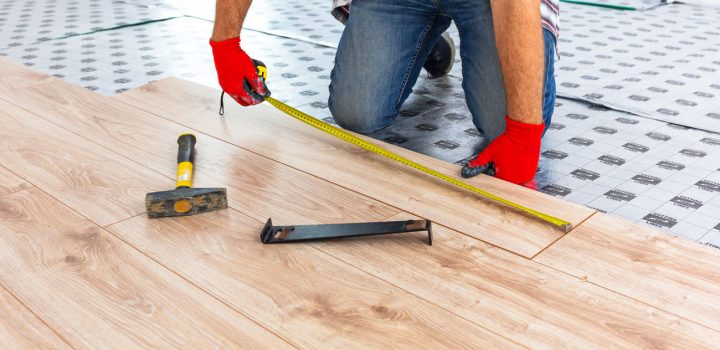
Installer in red gloves measuring and fitting light wood-grain LVP planks over patterned underlayment; tools include tapping block, hammer, and tape measure—demonstrating proper floating-floor technique.

Product Guidance & Quality Standards

We guide homeowners toward durable products (typically 12 mil wear layer or higher) and refuse to install low-quality vinyl that won’t hold up.
No subcontractors. The same people you meet are the ones installing your floor.

Our Previous LVP Installation Work

Our LVP gallery showcases real installations in basements, lower levels, and high-traffic spaces where durability matters most. You’ll see clean plank alignment, smooth transitions, and finished floors that look polished without sacrificing practicality.

What Homeowners Say

Homeowners who choose LVP often want peace of mind, especially in basements and busy homes. Our reviews reflect appreciation for our honesty about product quality, clear guidance on what works best in moisture-prone areas, and installations that feel solid, clean, and well-planned from start to finish.

Our LVP Installation Process

1

Quick call + estimate scheduling

We schedule quickly — often same day or within a few days.
2

In-home measure + guidance

We confirm the space, moisture considerations, and what product makes sense.
3

Straight quote + timeline

No mystery fees. You’ll know what’s included.
4

Subfloor prep (the make-or-break step)

A good LVP install starts underneath. If the base isn’t right, the floor won’t feel right.
5

Installation + cleanup

We keep it organized, communicate clearly, and finish strong.
6

Final walkthrough + care tips

We explain simple cleaning and maintenance so it stays looking good.

About Dynamic Floor Covering

We’re a family-run company based near New Hartford, CT, with hands-on experience going back to the mid-2000s. We don’t subcontract — we handle installs ourselves so quality stays consistent, and customers know exactly who they’re working with.
Most of our work is hardwood, but we install LVP when it’s the smartest fit for the space and budget — especially in basements.

Need a durable floor for your basement or a practical alternative to hardwood?

Call today or request an estimate. We install LVP across New Hartford, Avon, Simsbury, Granby, Farmington, and surrounding Connecticut areas.

Get a Free Quote

Contact us today to get a quote on your project or learn more about our company. We look forward to speaking with you.

Location

New Hartford, Connecticut

Business Hours

Mon-Fri: 9 am - 6 pm
Sat: 9 am - 4 pm

* indicates required fields

Frequently Asked Questions

How much does luxury vinyl plank (LVP) installation cost?

For a typical residential job, installed LVP runs about $4 to $9 per square foot, with the full range landing anywhere from $4 to $14 depending on the product and the room. Materials usually account for roughly $2 to $8 per square foot and labor another $2 to $5. The install method matters too: floating click-lock planks go down faster and cost less than glue-down, which takes more time and skill and often runs 30 to 50 percent more in labor. LVP is a waterproof, budget-friendly alternative to hardwood, which is why it is so popular for kitchens, baths, and basements. These are typical industry ranges, not a quote. Your project may vary based on square footage, subfloor condition, and the plank you choose, so the most reliable number comes from an on-site estimate.

How long does an LVP installation take?

LVP is one of the faster floors to install because there is no on-site sanding or finishing and, with click-lock products, no adhesive cure time. A single room is often finished in a day, and many whole-home projects wrap in a couple of days. The biggest variable is subfloor prep: if the old floor has to come out, or if the subfloor needs leveling, moisture testing, or a barrier over concrete, that adds time before the first plank goes down. Complex layouts, lots of doorways and transitions, and stairs also stretch the schedule. We will give you a realistic day count once we have seen the space.

What do I need to do to get ready before the crew arrives?

A little prep keeps the job on schedule. Clear the work areas of furniture, rugs, breakables, and anything hanging on the walls in those rooms, and take down items on low shelves that could be bumped. Plan to keep pets and small children out of the work zone while planks are being cut and installed. If we are working over concrete or in a basement, leave the space accessible so we can test for moisture. Please check ahead of time whether moving large or heavy furniture is included in your job or something you would like handled beforehand, since that affects both timing and the quote.

How do I choose the right LVP product?

A few features separate a floor that holds up from one that shows wear fast. The most important is the wear layer, the clear top coating measured in mils: a thicker wear layer (around 20 mil and up) stands up better to kids, pets, and busy rooms, while thinner layers suit lighter-traffic spaces. After that it is mostly about look and feel: plank width and length, the color and grain print, and the surface texture. Lower-sheen matte and satin finishes hide dust, footprints, and light scratches better than glossy ones, which show every scuff. Nearly all quality LVP has a waterproof core, so you can match the plank to the room without giving up water resistance. We are glad to bring samples so you can see them in your own light.

Is installing LVP a messy, dusty job?

Far less than a floor refinish. Because LVP is installed, not sanded, there is no clouds-of-dust sanding step, so the mess is minor by comparison. The dust you will see comes mainly from cutting planks to fit and, if applicable, from pulling up an old floor. Cutting is usually done with a score-and-snap tool or a saw that produces limited debris, and we clean up as we go and haul away offcuts. If your job includes removing old tile or leveling a subfloor, expect a bit more dust and cleanup during that phase.

Can I put LVP in my basement or over a concrete slab?

Yes, and it is one of the best choices for below-grade rooms because a waterproof core shrugs off spills and humidity that would damage solid hardwood. There is one important condition: the slab has to be clean, flat, fully cured, and dry. We test concrete for moisture first, and if the readings are high we add a moisture-barrier underlayment or mitigation before installing so moisture does not push up through the floor later. The subfloor also needs to be flat, generally within about 3/16 inch over 10 feet, so we grind down high spots and fill low ones so the planks sit solid and do not flex or click underfoot.

Do you have to tear out my old flooring first?

Not always. LVP can often be installed right over an existing hard floor, such as well-adhered ceramic tile or sound sheet vinyl, as long as that surface is flat, clean, and firmly attached. Carpet always comes out first, and any floor that is uneven, loose, or damaged needs to be removed or corrected so problems underneath do not telegraph through the new planks. Many LVP products also have a pad already attached, so a separate underlayment is only added where it is needed, such as over concrete or in moisture-prone areas. We will tell you after looking at your floor whether we can go over it or whether removal is the better call.